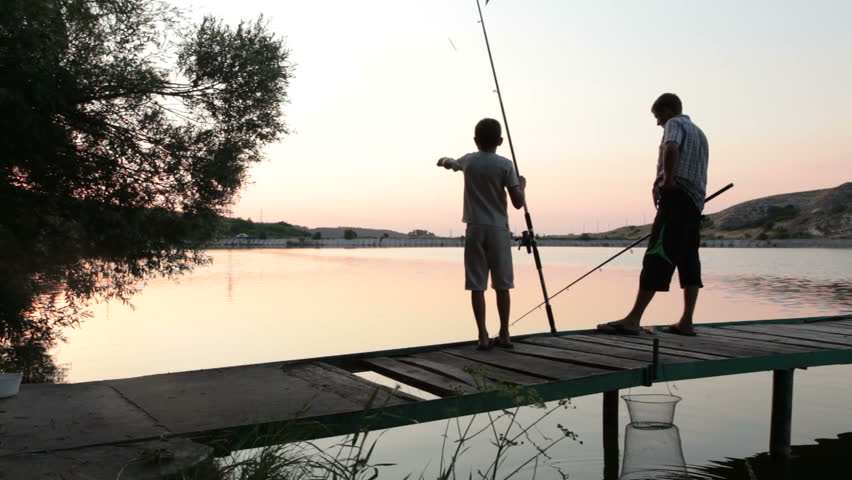
Charles had little free time, but one day, he decided to take his son fishing. In his diary, he wrote “Went fishing with my son today. A day wasted.” On that same day, his son wrote: “Went fishing with my father today, the most wonderful day of my life” (Widmer, 2004). Take a moment to think about all the opportunities you have to positively impact your children. Family recreation allows you to seize those opportunities.
Family recreation is leisure time we use to restore, refresh, and regain control of our lives. It provides opportunities for accomplishment and fosters feelings of self-worth, enjoyment, and pleasure (Widmer, 2004). A survey found that playing with children is one of the most pleasurable activities parents participate in. However, the survey also found that parents tend to spend more time doing things that aren’t as pleasurable like watching TV (Veritas, 2016). Choosing to plan and participate in family activities promotes family bonding and connection. Turn the TV off and play!
Aimless Leisure vs Family Recreation
To understand the difference between aimless leisure and wholesome recreation, see the chart below:
| Aimless Leisure | Wholesome Recreation |
| Purpose: diversion, idleness, mindless, pleasure | Purpose: Personal growth and development, genuine enjoyment, meaningful interaction |
| Inward focused: self-concern, indulgence, self-oriented, individualism | Outward focused: oriented to others |
Now that we understand the ‘what’ and ‘why’ of family recreation, let’s take a look at ‘how’. The easiest way to categorize recreation is spontaneous or intentional. Perhaps your family engages in a lot of spontaneous play that costs little to no money or time. Other types of recreation “require thoughtful planning, creativity, and effort – they are intentional, deliberate activities” (Dollahite, 2000), also known as intentional recreation.
Characteristics of Effective Recreation
In life, there is a right way and wrong way. “Am I doing it right?” is a question parents often ask themselves. Surprisingly, even recreational activities have a “right” or a more effective way. The following are the eight characteristics of more effective recreation:
| 1. We face a challenging task that we are capable of completing. 2. We concentrate on what we are doing. 3. We have clear goals. 4. We receive clear and immediate feedback on our progress. 5. We participate effortlessly with a deep involvement that eliminates awareness of concerns. 6. We experience a sense of control. 7. We lose our sense of self-concern during the activity, yet our self-awareness becomes stronger after the experience. 8. Our perception of the passage of time is altered. |
These characteristics serve as a guide so that we can reap the most benefits out of recreation. When we do it right, as they say, time flies. Research supports that, “time flies on a day packed with activity and when you’re learning lots of new things” (Wittenstein, 2012). See the pyramid below that outlines different recreation categories with creative participation being the most beneficial at the top.

Choosing Age-Appropriate Activities
Chances are if you have more than one child, they are at different developmental stages. Because of the difference in age and development, not all activities will be appropriate for everyone in the family. Yet, the goal of wholesome recreational activity is to be together and enjoy time as a family. So how do we make it fun for everyone? “Some families have found that out-of-doors activities include a wide variety of tasks that provide something challenging for everyone, such as finding insects, watching birds, carving a whistle, pitching a tent, building a fire without matches, cooking a meal with or without utensils, marking a trail, and surviving in the wilderness” (Dollahite, 2000). Being outside incorporates the characteristics of effective recreation and offers something for everyone.
Balancing Work and Recreation
One of the biggest obstacles to having fun is balancing work and recreation. Between work, paying the bills, household chores, raising kids, and the ins and outs of everyday life, time is short and it’s hard to find time for fun. “The appropriate balance of work and recreation depends on the value of each and how they contribute to a meaningful and balanced life” (Dollahite, 2000). It is up to you. Now is the time to decide if wholesome recreation is important and how much it means to you and your family. Consider that, “wholesome recreation is important to create balance with a hard day’s work,” (2020) and choose family recreation.
Family Recreation Ideas
Keep in mind that family recreation does not have to involve money. “Research shows that we don’t need money to have positive family recreation experiences. Activities that require only skills as resources are just as beneficial” (Oakes, 2020). Think about some skills your family members already have or skills you want to develop, and plan an activity around them. See the list below for a few ideas to get you started:
- Go on a picnic.
- Plant a garden or some plants to put in your home.
- Make homemade pizza together for dinner.
- Go for a bike ride.
- Bake something for neighbors and deliver it to them.
- Go on a nature walk.
- Bake dessert together.
Challenge
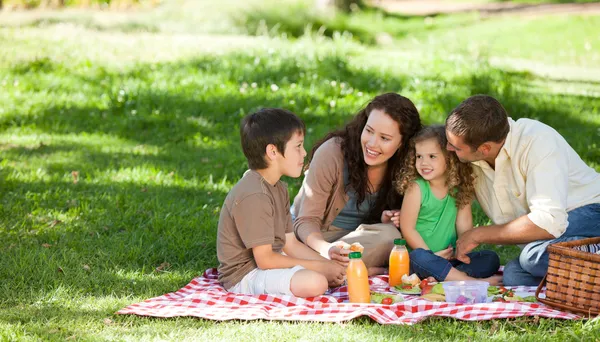
- Have fun this week! Do something with your family that incorporates the principles taught and fulfills the 8 characteristics of effective recreation.
- Tell us about your experience! Please comment below with one thing you learned or enjoyed from the activity.
Survey
Please take a minute to complete this short survey about this week’s article.
 Transforming Marriage & Growing into Parenthood